

Relationship Coaching for Individuals:
1:1 Support to Stop Repeating the Same Patterns
Psychology‑informed 1:1 relationship coaching for people who want to stop repeating the same patterns, navigate conflict with more steadiness, and trust themselves inside relationships again
We’ll talk through what’s happening in your relationship, what’s been hard to shift on your own, and whether private coaching is the right fit.
Who 1:1 Relationship Coaching for Individuals Is For
This private coaching is for people who want to work on their side of the relationship — their patterns, responses, boundaries, and needs - whether they’re dating, partnered, or in the “I don’t know what to do” space.
You don’t necessarily need a new relationship.
You need a new way of relating. You might be in a relationship that matters to you - and still feel stuck in familiar loops:
You rehearse conversations in your head, then still say the thing you wish you hadn’t.
Arguments with your partner feel circular, unresolved, or way more intense than you expected.
You keep finding yourself in familiar loops: shutting down, over‑explaining, people‑pleasing, or going numb when it matters most.
You swing between wanting closeness and needing distance, then feel confused by your own reactions.
You know your attachment patterns intellectually, but in the moment, your nervous system still takes over.
You want more clarity, steadiness, and self‑trust — without losing yourself in the relationship.
This isn’t a failure of communication. It’s a sign that old relational patterns are getting activated in real time.
If this sounds familiar, you’re in the right place. Let’s talk.

You don’t need a new relationship.
You need a new way of relating.
Breakups or threats of breaking up can be a wake‑up call. But you don’t have to burn your relationship down to work on what’s not working.
In our work together, we focus on:
How your nervous system responds to conflict, ambiguity, and closeness
The stories you tell yourself about your role in relationships
The patterns you’ve been replaying — even when you promised yourself you wouldn’t
Instead of trying to become a different person or forcing yourself into a “perfect partner” mold, we work toward a version of relating that actually fits who you are and what you value - with or without your current partner.
What We Might Work on Together
Because this is private 1:1 coaching, we tailor our work to your specific relationship, history, and goals.
Common focus areas include:
Navigating recurring arguments without escalating or shutting down
Understanding your attachment patterns and how they show up with this partner
Building boundaries that are clear, kind, and actually held
Reducing emotional reactivity, overthinking, and post‑conflict spirals
Deciding what you want from this relationship — and how to communicate that
Repairing after conflict without abandoning yourself or your needs
How Individual Relationship Coaching Works
This isn’t a generic program or a couples session.
It’s individualized coaching for you - focused on how you show up in relationships, and what you want to shift.
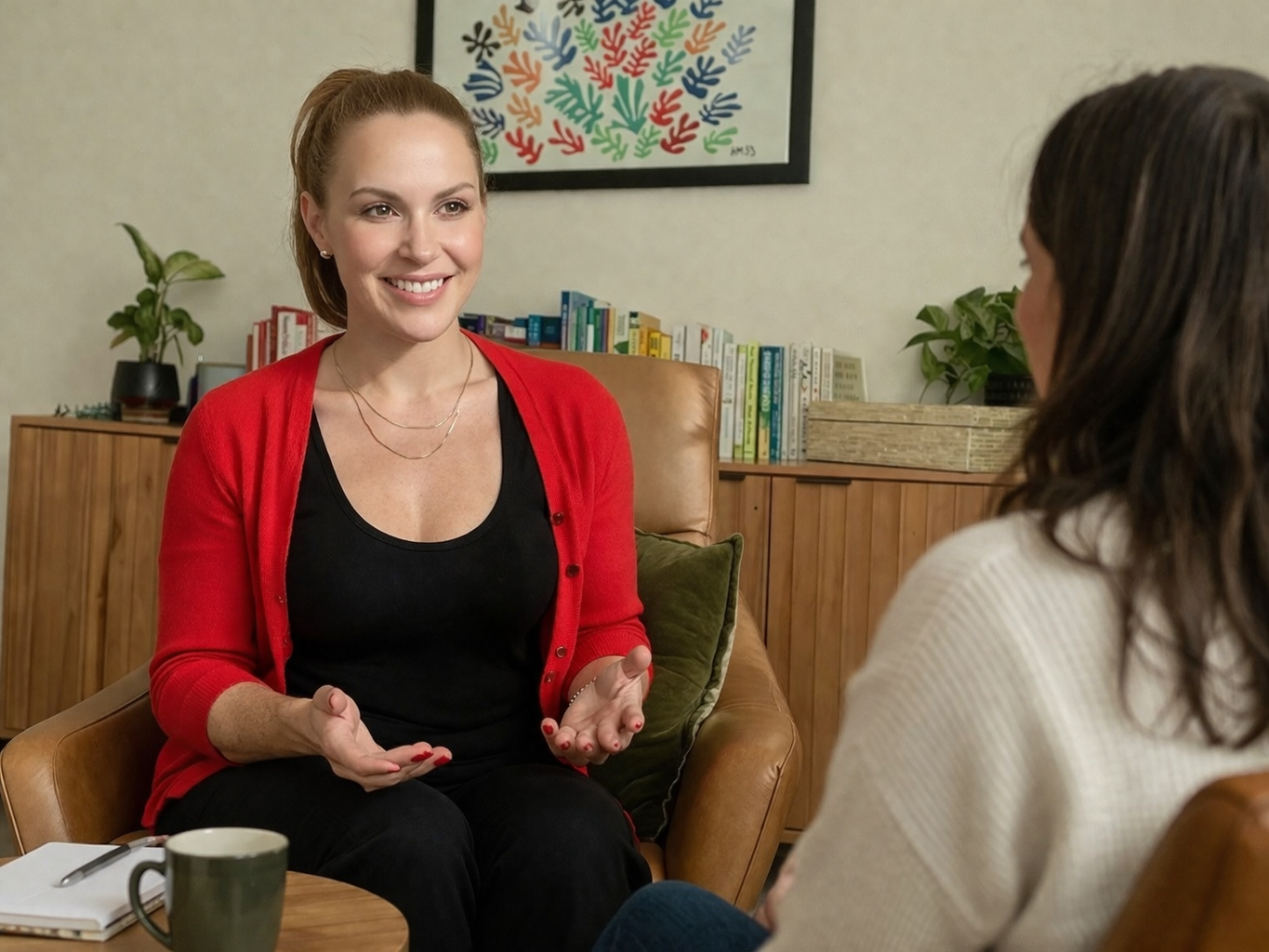
Private meetings: We meet one‑on‑one to talk about what is happening in real time in your relationship - conflicts, shutdown, resentment, decisions, and everything in between.
Tailored focus: There’s no preset curriculum, it’s curated to your specific needs. We design our work around your relationship dynamic, attachment patterns, and goals.
Real‑time application: We track how conversations, conflicts, and choices unfold week to week so you can experiment and course‑correct with support instead of on your own.
Tools you can actually use: You’ll leave meetings with concrete reflections, questions, and strategies - not just insight but practical ways to try something different.
Most clients begin with a 12‑week private coaching container, meeting weekly, because it gives us enough time to work with actual patterns as they show up and to build changes that stick.
After that, we can decide together whether it makes sense to continue, taper, or transition.
What Starts to Change When You Do This Work
Clients often describe feeling more grounded, less reactive, and more honest with themselves, even when their relationship is still complicated.
You feel a bit calmer before, during, and after hard conversations - even if they’re still uncomfortable.
You catch familiar patterns earlier instead of realizing six months in that you’ve been here before.
You’re clearer on what you want and what you’re not available for, and you act from that clarity more often.
You can hold complexity - caring about your partner and caring about yourself - without collapsing into all‑or‑nothing thinking.
You trust yourself more: your perceptions, your boundaries, your decisions about staying, changing, or leaving.

Is This Therapy?
This is not therapy and doesn’t replace it. Therapy often goes deep into your history, diagnoses, and long‑term mental health. Coaching focuses more on your current patterns in relationships and the changes you want to make now.
Many clients work with both a therapist and me. In coaching, we:
Zoom in on your relationship patterns as they’re happening
Experiment with new ways of responding and relating
Focus on practical, present‑day shifts instead of open‑ended processing

Investment
Most clients begin with a 12-week private coaching container at $3,300. This gives us enough time to work with your real relationship patterns as they show up and create meaningful change that lasts.
Individual Relationship Coaching:
-Weekly 45‑minute 1:1 relationship coaching meetings (with pacing adjusted as needed)
-We’ll map your patterns, experiment with new ways of relating, and see real shifts in your relationship and in yourself.
-Psychology‑informed, pattern‑focused support designed for real, sustainable change—not just a temporary distraction
If we decide to work together after your clarity call, we’ll talk through payment options and what pacing makes the most sense for you.
Let Me Guide You Through This…
Ready to Work on Your Side of the Relationship?
You don’t have to keep cycling through the same arguments, shutdowns, and self‑doubt alone.
If you’re ready to approach your relationship with more clarity, steadiness, and self‑trust, I’d love to meet you!
We’ll use this call to understand what’s happening, what you’ve already tried, and whether 1:1 coaching is the right next step.
Frequently Asked Questions
Below are the most common questions I’m asked about Un-Pattern: Relationships.
Do I need to be in crisis or a “bad relationship” to benefit?
No. Many clients are in relationships they want to keep and are working toward feeling more grounded, clear, and self‑honoring inside them. Others are in a more uncertain place and want guidance around whether to stay, ask for changes, or leave.
What if my partner is the one causing the issues?
It’s understandable to feel that way. Un-Pattern doesn’t deny real relationship issues or unhealthy dynamics. And your partner may have their own work to do. Coaching centers what you can shift: your patterns, boundaries, communication, and choices - the parts of the system you can actually influence.
It helps you separate:
What’s actually happening now
From what’s being amplified by old patterns, nervous system responses, or learned coping strategies
That clarity makes it easier to decide what to address, what to let go of, and what actually needs to change.
Do I need to know my attachment style for this to work?
No. While attachment patterns may come up, Un-Pattern isn’t about labeling yourself or your partner. It’s about noticing how you respond under pressure and learning how to shift those responses in real time. Insight helps - but integration is what changes relationships.
Is this only for relationships that are struggling?
Not at all. Many people use Un-Pattern coaching in generally healthy relationships where:
Communication is “good” but still feels effortful
Emotional reactions feel bigger than the situation
Growth feels uneven or confusing
Un-Pattern is for people who want to relate more consciously, not just fix problems.
What if I’m unsure whether to stay in my relationship?
Un-Pattern coaching doesn’t push you toward staying or leaving. It helps you:
Get out of emotional urgency
Understand what’s yours vs. what’s relational
Make decisions from clarity instead of fear, guilt, or habit
Sometimes clarity strengthens a relationship. Sometimes it reveals necessary change. Either way, you’re not deciding from a spiral.
Is this couples coaching?
No. This is private 1:1 coaching for individuals. We focus on how you are relating - your patterns, needs, boundaries, and choices - whether or not your partner is on board for their own work. When one person changes how they relate, the entire dynamic often shifts.
That being said, if they’d like to attend meetings they are more than welcome.
Will this help with recurring arguments or emotional cycles?
Yes. That’s one of its core applications.
Un-Pattern coaching focuses on:
Why the same arguments keep resurfacing
What gets activated beneath the surface
How to interrupt the cycle before it escalates—or shuts down
The goal isn’t to avoid conflict. It’s to repair faster and relate more honestly.
Can Un-Pattern help if I feel emotionally reactive or shut down in my relationship?
Yes. Un-Pattern coaching works at the level of:
Emotional regulation
Nervous system responses
Behavioral reflexes
Whether you tend to over-explain, people-please, withdraw, or spiral internally, the framework helps you slow things down and choose a different response - without forcing yourself to be someone you’re not.
How is this different from just “communicating better”?
Communication advice often focuses on what to say. Un-Pattern coaching focuses on:
What’s happening internally before you speak
Why certain conversations feel charged
How emotional safety (or threat) shapes communication
When internal patterns shift, communication improves naturally - without scripts or performance.
Is this a group or a program?
No. This is individualized, one‑on‑one coaching. We may use frameworks, tools, or exercises, but the work is tailored to your specific relationship and goals, not a generic syllabus
What kind of results can I expect?
Most people report:
Less emotional reactivity
Faster repair after conflict
Clearer boundaries and communication
A stronger sense of self within the relationship
The goal isn’t perfection. It’s self-led connection - even when things feel uncomfortable.
You might be interested in



Ready to work on your relationship patterns without losing yourself in the process?
Book a free clarity call and we’ll talk through what’s happening, what support would actually help, and whether 1:1 coaching is the right fit.